Balcony Orientation Guide
Understanding your balcony's orientation is crucial for selecting the right native Finnish plants. Different directions receive varying amounts of sunlight throughout the day, affecting which plants will thrive in your space.
Select Your Balcony Orientation
All Orientations
View plants suitable for any balcony direction
North Facing
Shade-loving plants for limited direct sunlight
South Facing
Sun-loving varieties for full exposure
East Facing
Morning sun plants for gentle light
West Facing
Afternoon sun tolerant selections
Recommended Plants by Orientation
Shade-Tolerant Varieties
Native Finnish plants that thrive in lower light conditions. These selections are perfect for north or east-facing balconies where direct sunlight is limited.
Ideal for: North and East facing balconies
Sun-Loving Selections
Hardy native plants that flourish in full sun exposure. These varieties are well-suited for south or west-facing balconies with abundant direct sunlight.
Ideal for: South and West facing balconies
Adaptable Species
Versatile native Finnish plants that perform well across different light conditions. These flexible selections work in various orientations.
Ideal for: All balcony orientations
Light Condition Examples
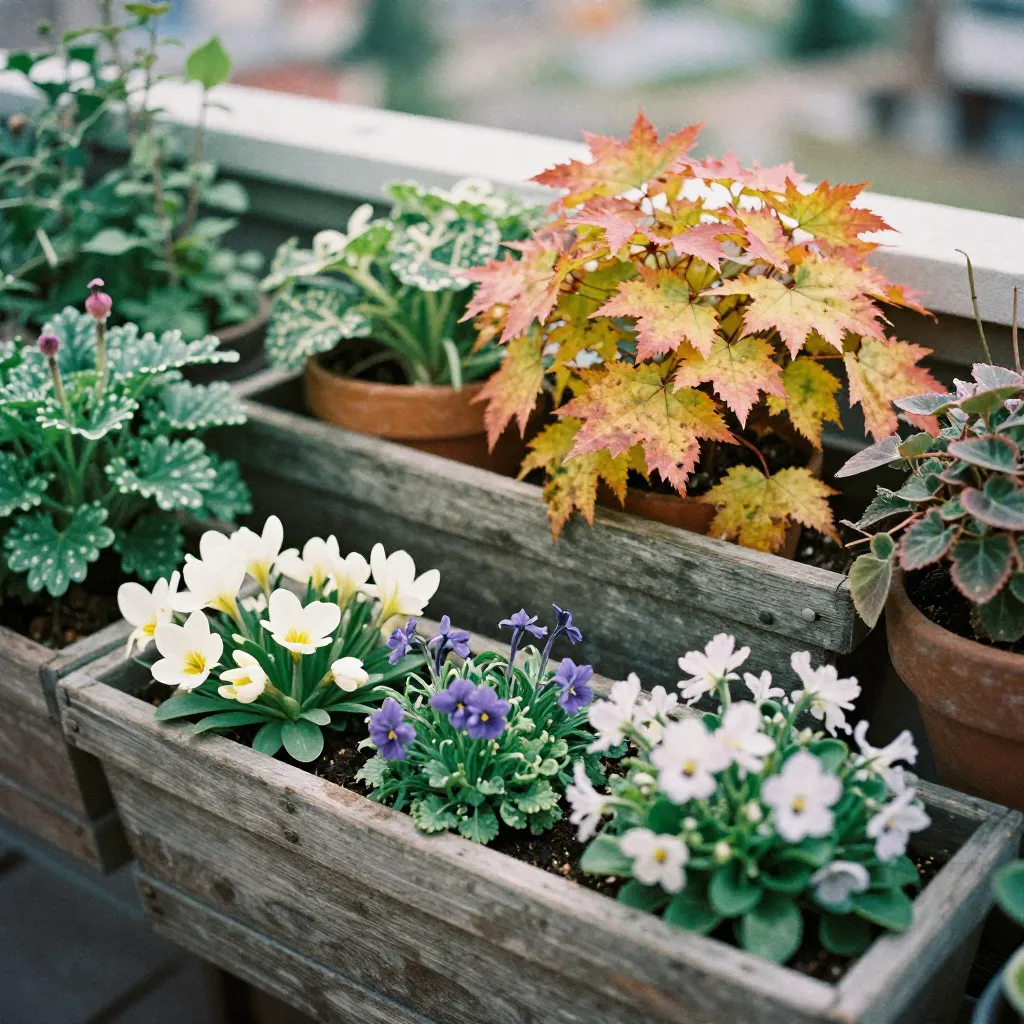
Shade Conditions
Perfect for north and east-facing balconies with limited direct sunlight.
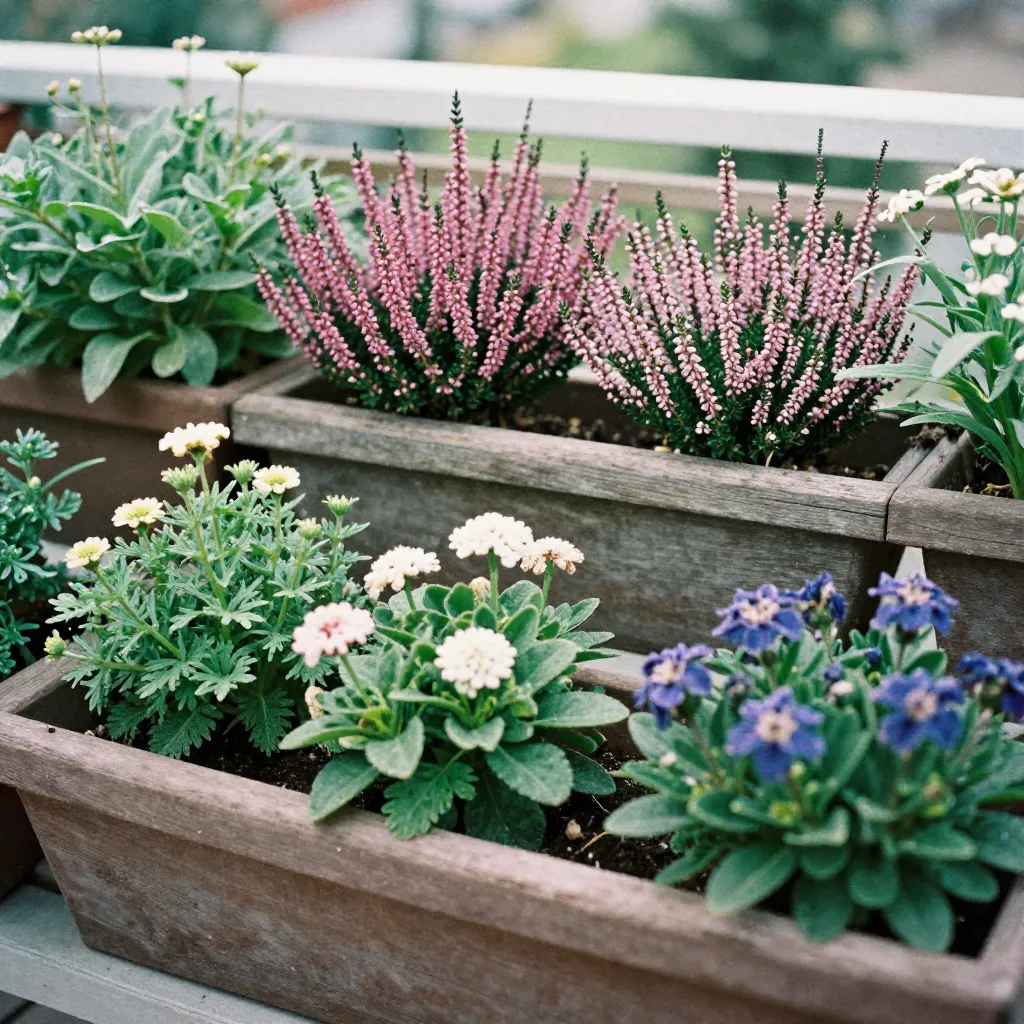
Full Sun Conditions
Ideal for south and west-facing balconies with abundant sunlight.
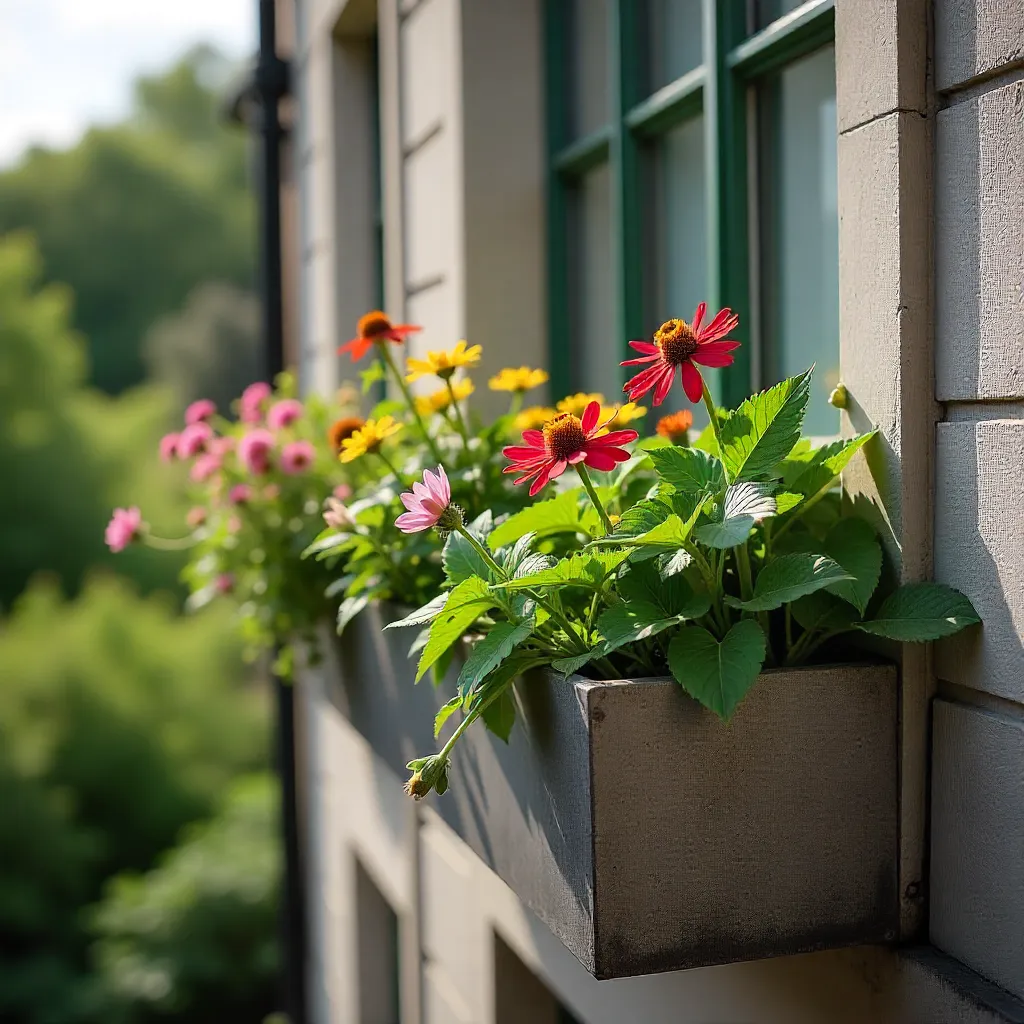
Adaptable Varieties
Plants that thrive in various light conditions across different orientations.
Understanding Light Conditions
North-facing balconies receive minimal direct sunlight, making them ideal for shade-tolerant native plants that prefer cooler, moister conditions. These spaces often provide protection from harsh afternoon sun.
South-facing balconies receive the most sunlight throughout the day. Select drought-tolerant native varieties that can handle extended sun exposure and warmer temperatures.
East-facing balconies enjoy gentle morning sunlight, perfect for plants that appreciate bright but indirect light. West-facing spaces receive intense afternoon sun, requiring heat-tolerant selections.
Measuring Your Light
Observe Throughout the Day
Monitor your balcony at different times to understand how sunlight moves across your space.
Consider Seasonal Changes
Light conditions change with seasons - what's shaded in summer may receive sun in winter.
Account for Obstructions
Buildings, trees, and structures can significantly affect light availability on your balcony.